admin@pro-electricians.xyz
+61 234 567 8900
Designing Class 1 Medical Electrical Fitouts: Compliance Pitfalls Hospitals Still Miss
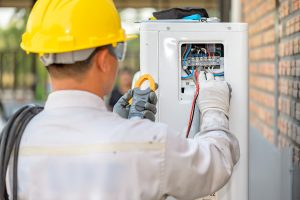 One of the hardest jobs in the built environment is designing and installing Class 1 medical electrical fitouts. Hospitals and clinical facilities must follow strict rules, but even well-funded organisations still miss important details that can affect safety, performance, and long-term reliability.
As the healthcare system gets more complicated, so do the expectations for electrical contractors, designers, and facility managers. It's not enough to meet the minimum standards anymore; you also have to spot risks before they affect patient care.
This article discusses the common compliance problems that persist in medical electrical fitouts across Australia, why they persist, and how hospitals can improve safety and compliance without making things too complicated.
The goal is not to promote any specific services or providers, but to make the most important issues clear when planning, designing, and maintaining these important installations.
The Stakes in Class 1 Settings
Class 1 areas are those that are directly related to patient care, where an electrical failure can have immediate effects on patients. These areas require a level of accuracy that is higher than what is usually needed for electrical fitouts. But many projects still don't plan enough.
Hospitals often think that compliance is guaranteed once a project team is put together, but that's not always the case. Medical electrical fitouts need to be planned out in a way that takes into account electrical services, clinical workflows, installation order, and long-term maintenance.
One of the most common problems is thinking that compliance doesn't change. Standards change, technologies change, and clinical expectations change. Five years ago, a design that met safety and compliance requirements may not do so now. This is especially clear in older buildings where upgrades are done in stages, making a patchwork of systems that don't always work together safely.
The Hidden Risks in Early‑Stage Planning
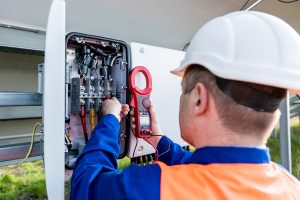
A lot of compliance issues with medical electrical fitouts start long before the electricians get there. When planning in the early stages, people often focus on architectural layouts and equipment lists and leave electrical issues to be worked out later. Once construction starts, it will be hard to fix the gaps that this sequencing makes. For instance, not giving enough room for network cabling systems can cause last-minute compromises that hurt both performance and safety.
Misunderstanding clinical requirements is another problem that keeps coming up. Instead of talking directly to clinical teams, designers might make general guesses about how much medical equipment will weigh or how much emergency power will be needed. Because of this disconnect, electrical services technically meet standards but don't work in the real world. When installation starts, these mistakes are expensive to fix.
Isolation, Earthing and the Misunderstood Details
Isolation transformers and equipotential earthing are very important parts of Class 1 medical electrical fitouts, but they are also some of the most misunderstood. Sometimes hospitals think that just installing equipment that meets standards is enough, but setting it up, testing it, and keeping an eye on it are just as important. In some projects, isolation panels are put in places that make it hard to get to for maintenance, or earthing systems are put in without enough documentation.
Negligence is not usually the cause of these problems. Instead, they are caused by how hard it is to coordinate many trades, each with its own set of priorities. Electrical contractors may do their part correctly, but if other trades change the environment afterwards, the system may not work as well as it should. This is why medical electrical fitouts need to be watched over all the time, from design to commissioning.
Documentation: The Compliance Gap No One Talks About
Even when the installation is done right, the documentation is often not. After the project is over, hospitals often find missing test records, incomplete schematics, or old manuals. These gaps make audits much riskier and can put off future repairs or upgrades.
Documentation isn't just something that has to be done for the sake of doing it; it's an important part of safety and following the rules. Electricians can't be sure they're diagnosing problems correctly, and facility managers can't be sure that past projects followed the right standards without accurate records. One of the most common and avoidable mistakes in medical electrical fitouts is bad paperwork.
 The Challenge of Integrating New Technology
Modern healthcare settings increasingly rely on advanced tools, such as imaging systems and digital monitoring platforms. These technologies put more stress on electrical services, which often means they need to handle bigger loads, provide cleaner power, and have network cabling systems that are more durable. But a lot of medical fitouts still see technology as an extra instead of a key part of the design.
This disconnect is especially bad when it comes to installation. If the electrical system isn't built with future upgrades in mind, hospitals may have to deal with constant problems as new equipment is added. So, medical electrical fitouts need to be designed to be flexible so that clinical teams can use new technologies without putting safety at risk.
Problems with Coordination During Construction
Even the best plans can go wrong when they are built. Many trades work together in small, tightly controlled spaces during medical electrical fitouts. If teams don't talk to each other, they might install things incorrectly, put outlets in the wrong place, or run into problems with the layout of clinical equipment. These problems may not seem like a big deal, but in a Class 1 setting, even small mistakes can have big effects.
Electrical contractors frequently indicate that tardy design modifications constitute a significant compliance risk. When clinical teams request changes during construction, it can affect cable routes, load calculations, and safety systems. If these changes aren't carefully planned, they could ruin the whole project.
Commissioning: The Step Hospitals Still Rush
Commissioning is when medical electrical fitouts are really put to the test, but it is still one of the most rushed parts of hospital projects. Testing procedures are often cut short because of tight deadlines, budget constraints, and the need to open new clinical spaces quickly. This is where a lot of compliance problems first show up, like wrong earthing arrangements or not checking that the installation is complete.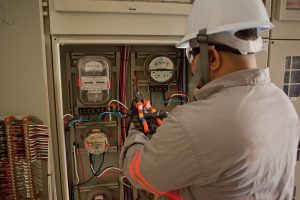
Not only is a thorough commissioning process necessary for safety and compliance, but it is also necessary for long-term reliability. Hospitals that invest time in detailed commissioning often avoid expensive rework and operational problems later. Sadly, many projects still don't give this step enough credit.
Why Skilled Professionals Are Important
Not all electricians or electrical contractors have the specialised knowledge needed for medical electrical fitouts, as these are so complex. Sometimes, hospitals hire generalist teams for specialised work, thinking that basic electrical knowledge is enough.
This misunderstanding is one of the main reasons compliance problems keep arising in the industry.
Professionals with experience know how clinical settings work, how medical equipment works, and how strict the rules are for electrical services in healthcare settings. Their experience helps them avoid mistakes that may not be obvious right away but could make things less safe over time.
Moving Toward a More Proactive Compliance Culture
 Hospitals need to take a more proactive approach to safety and compliance in order to avoid the same problems that keep happening with medical electrical fitouts. This means getting clinical teams involved early, keeping lines of communication open throughout the project, and giving as much importance to documentation as to physical installation. It also means understanding that medical electrical fitouts are not one-time projects, but systems that need to be watched over time.
Hospitals can make places that are safe for patients and work well by changing their mindset from reactive to proactive. The goal is not to be perfect, but to keep getting better. This is in line with the larger goal of healthcare.