admin@pro-electricians.xyz
+61 234 567 8900
Designing Power for People Flow: Electrical Fitout Strategies for High‑Traffic Workspaces
 It's not just about desks, meeting rooms, and decor anymore when you design a modern workspace. As businesses grow and workplaces become more dynamic, how people move through a space becomes a key design factor. Offices, shopping centres, and mixed-use buildings that get a lot of foot traffic all depend on well-planned electrical fitouts to keep people safe, comfortable, and productive.
When electrical systems are designed with people in mind, the result is a workspace that is easy to use, well-functioning, and supportive of people's productivity and health.
Electrical fitouts have a big impact on how people use a space. The electrical backbone of a building needs to be strong, flexible, and ready for the future. It needs to support things like lighting that guides movement, and data and communication infrastructure that supports hybrid work. As high-traffic workspaces change, so must the plans for electrical installations, design services, and long-term service and maintenance.
Knowing What High-Traffic Workspaces Need
Electrical services must meet specific needs in high-traffic workspaces. These places need electrical fitouts that can handle constant movement, changing numbers of people, and a wide range of technologies. For example, a business building may need a mix of commercial electrical fitouts, commercial solar systems, and industrial data and communications infrastructure to keep things running smoothly.
When several tenants or departments share the same space, each with its own electrical needs, things get even more complicated.
An electrician's job goes beyond just installing things in these places. Electricians need to consider how people use the space, where equipment is placed, and how the electrical load might change as the space grows. This is when careful electrical fitouts are important.
A good electrical fitout makes sure that power points, lighting, switchboard installation, and data and communications systems are set up in a way that doesn't get in the way of natural movement.
Designing for Safety, Accessibility, and Movement
Safety is always important in a workplace, but it's even more important in places with a lot of people. To ensure safety and continuity, electrical fitouts must have safety switches, smoke alarms, and back-up generators. These features are not just things the law says you have to have; they are also very important for ensuring a safe, well-run workplace.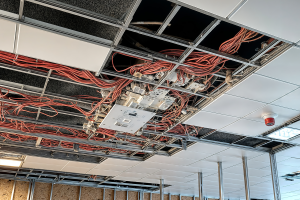
Another important thing that affects how people move is the lighting. People's movements through hallways, shared spaces, and entry points can be affected by the design of commercial electrical lights. When installing electric lights, you need to find a balance between brightness, energy efficiency, and comfort for the eyes.
Many modern offices have lighting that integrates with data and communication systems to support smart-building automation. This makes the environment more responsive because the lights change based on how many people are in the room. This saves energy and improves the user experience.
Accessibility is also very important. People with different mobility needs must be able to use electrical fitouts. This includes where the switches are, how high the outlets are, and how the paths around the electrical installations are set up. When electrical fitouts are planned with accessibility in mind, the workspace is easier to navigate and more welcoming to everyone.
Bringing Technology into Busy Places
Today's workspaces are all about technology, and electrical fitouts need to support an ever-growing network of devices, platforms, and systems. Every part, from commercial fit-out installation to advanced electrical installations, has to work together perfectly. High-traffic areas often depend on complicated networks of data and communication systems. To avoid congestion and downtime, these systems need careful planning.
Charging stations, built-in AV systems, and flexible power solutions that support hybrid work are now all part of office electrical fit-outs. As more businesses use cloud-based tools and platforms for remote collaboration, the need for reliable industrial data and communications infrastructure keeps growing. Electrical fitouts need to meet these needs without affecting performance.
Solar technology is also becoming more common in businesses. Solar power systems for businesses lower energy costs and help the environment. Solar solutions can make electrical fitouts more durable, especially when used with backup generators. This combination makes sure that busy workspaces can keep working even when the power goes out.
Planning for Growth and Flexibility
 One of the hardest parts of designing electrical fitouts for busy workspaces is figuring out what they will need in the future. Workplaces change quickly, so electrical systems need to be able to change with them. This is when design services are most useful. Designers and electricians can make electrical fitouts that can be expanded, changed, and upgraded with new technology if they plan carefully.
There are usually several steps in a commercial electrical fitout project, from the first meeting to the installation and ongoing service. Every stage needs to think about how people use the space and how those habits might change. For instance, a workspace that currently values open-plan collaboration may later change to private meeting areas or hybrid work pods. Electrical fitouts need to be able to handle these changes without needing major structural changes.
In growing workplaces, it's common to add more data and communication points, upgrade switchboards, and make lighting zones bigger. Companies can keep things running smoothly and avoid costly interruptions by planning.
How Maintenance Helps Workplaces with a Lot of Traffic
Even the best electrical installations need to be serviced and maintained regularly. Regular inspections are important because places with a lot of traffic wear down more quickly. Electricians need to make sure that electrical installations stay safe, work well, and meet Australian standards. This includes checking the safety switches, testing the smoke alarms, and looking at how well the switchboard works.
Service and maintenance also include commercial solar infrastructure, lighting, data and communications systems, and more. When these systems are kept in good shape, they help people move around more easily, cut down on downtime, and make the electrical fitout last longer. To avoid problems that come up out of the blue, many businesses choose to schedule regular maintenance. This is especially important in commercial buildings, where problems can affect productivity and customer satisfaction.
Creating Workspaces That Support People
In the end, electrical fitouts are about more than just wiring and equipment. They change how people feel about their workspaces. When electrical fitouts are made with the flow of people in mind, they make spaces that feel natural, safe, and useful. This is especially important in offices and businesses where people are always moving around, and technology is a big part of how things work.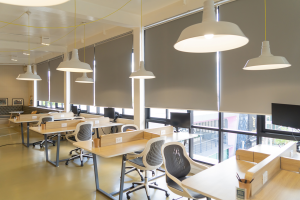
A good electrical fitout makes it easier for people to work together, makes things more comfortable, and makes everything work better overall. It makes sure that the lights are set up to minimise glare, that power outlets are easy to get to, and that data and communication systems work well. It also makes sure that important safety features like smoke alarms and safety switches are in place and working properly.
Electrical fitouts also help the environment. Businesses can lessen their impact on the environment and boost their performance by using commercial solar solutions, energy-efficient lighting, and smart-building automation. As companies work to meet sustainability goals and cut costs, these features are becoming more and more important.
Looking Ahead: What Will Happen to Electrical Fitouts in the Future
As workplaces change, electrical fitouts will have an even bigger impact on how people interact with their surroundings. As hybrid work, smart-building technology, and flexible office layouts become more common, electrical fitouts will need to be able to change, grow, and work well with digital systems.
More and more commercial electrical fitouts will include automation, energy monitoring, and advanced data and communications networks. Electrical installations will be more modular, which will make it easier for businesses to change the layout of their spaces. Lighting systems will become smarter and adapt to how many people are in a room and how much natural light there is. Solar panels and backup generators will be standard in commercial buildings. This will make them more resilient and less dependent on the grid.
Safety will still be a top priority for electrical fitouts. Any electrical fitout will still need to have a switchboard, safety switches, and smoke alarms. As rules change, electricians will be very important for making sure that everyone follows the rules and that safety and performance standards stay high.
Final Thoughts
To design electrical fitouts for busy workspaces, you need to know a lot about how people move, work, and interact with their surroundings. Electrical fitouts can make a workplace safe, efficient, and ready for the future if they are planned carefully, installed correctly, and serviced and maintained on a regular basis. The right electrical fitout helps people move around, boosts productivity, and gets the space ready for long-term growth, whether it's an office, a commercial centre, or a mixed-use building.