admin@pro-electricians.xyz
+61 234 567 8900
Why Your Consumer Main Trips During Peak Hours: A Deep Dive Into Load Imbalance and Hidden Household Culprits
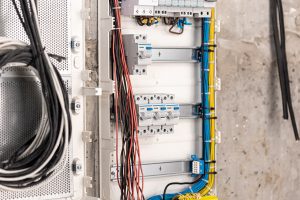 It's easy to blame the weather or think the power supply is having a moment when the lights flicker, the air conditioner stops working, and the whole house goes quiet. But if this keeps happening during busy times of the day, the real problem could be much closer to home.
Many Australian homes experience power outages they didn't expect because their consumer mains are old, under stress, or simply not big enough for modern life. Knowing why this happens can help you avoid the same problems over and over again, as well as electrical hazards and costly repairs.
Trips during peak hours are rarely random. Most of the time, it's due to a mix of load imbalance, hidden electrical issues, and the limits of your electrical system. You can make better choices about safety, efficiency, and future upgrades by examining how your consumer mains perform under pressure.
The Modern Household and the Pressure on Consumer Mains
A generation ago, a normal home might have had a TV, a fridge, a few lights, and maybe a washing machine. Most homes today have more than one air conditioner, an induction cooktop, a high-demand appliance, a charger, an entertainment system, and sometimes even an electric vehicle charger. All of this uses a lot more electricity than older consumer mains were made to handle.
When everyone is cooking, cooling, heating, or running appliances at the same time, your consumer mains get a lot of extra work. If the mains cable is too short, old, or broken, the system can trip to protect itself from overload. This is a safety feature built into the device to prevent it from getting too hot, causing electrical problems, or even starting a fire.
Many homes still use outdated installation standards, so the original cable size may not meet modern electrical service requirements. When the load exceeds the consumer mains' capacity to operate safely, the system shuts down to avoid a serious safety risk.
Load Imbalance: The Silent Culprit Behind Peak‑Hour Trips
When one part of your electrical system has much higher demand than another, that's called a load imbalance. This happens a lot in older homes because the circuits were never designed to work the way people use them now. If one circuit is overloaded and another is barely used, the load on your consumer mains becomes uneven, increasing the likelihood of a trip.
Running multiple high-demand appliances on the same circuit can cause this imbalance. It can also be caused by more serious electrical problems that only a level 2 electrician or a qualified local electrician can find. When the load is uneven, the consumer mains become stressed, a condition that worsens over time, especially when demand is high.
A proper safety hazard report or electrical safety check can show whether the wiring and mains cable in your home are supplying power evenly. If these checks aren't done, the imbalance stays hidden until the system trips again.
Hidden Household Culprits You Might Not Expect
Many homeowners think only big appliances cause problems, but smaller ones can also contribute to peak-hour overloads. A lot of chargers, entertainment systems, heaters, and kitchen gadgets can all push your consumer mains past their limits. Even devices that are turned off still use power, which adds to the load.
Old wiring is another thing that people often forget about. The electrical system works less well when the insulation wears down or the connections come loose. This makes the consumer mains work harder to send the same amount of electricity. This can cause overheating, unresolved issues, and unexpected shutdowns over time.
The environment also has an effect. Changes in temperature, pests, and moisture can all hurt the connection between your mains cable and power pole. If the cable is damaged, the consumer mains may trip more often to protect itself.
Why Peak Hours Make Everything Worse
During peak hours, every flaw in your electrical system becomes worse. When demand is low, your consumer mains should handle it just fine. But as soon as more than one appliance turns on at the same time, the system hits its limit. This is when people trip the most.
 During busy periods, the grid power supply can also fluctuate. Most of the time, this isn't a big deal, but even small changes can hurt older or overloaded consumer mains. These changes can cause shutdowns if your installation is old or your electrical services haven't been updated in years.
A modern upgrade can make things much more stable, but a lot of homes still use old systems that weren't meant to handle today's electrical load. During times of high demand, the consumer mains are still at risk if they aren't fixed or upgraded properly.
Proper Cable Sizing and Installation Quality
One of the most important steps to avoid peak-hour tripping is to size the cables correctly. If the main cable is too small for the amount of electricity it needs, it will heat up quickly and turn on overload protection. This is a common problem in older homes where the original installation didn't account for modern appliances.
An emergency electrician or a qualified electrician can check whether your consumer mains are the right size. If not, an upgrade may be needed to make sure it works safely and reliably. Bad installation can also cause tripping, especially if the connections are loose or the cable has deteriorated over time.
If the cable is the right size and installed by a professional, the consumer's mains can handle a higher load without overheating. This lowers the chance of problems, makes electricity safer, and makes sure that the power supply is more stable during peak hours.
Why a Professional Assessment Is Important
A lot of homeowners only call an electrician when something goes wrong, but getting regular checkups can stop problems from happening again. A level 2 or local electrician can look at your consumer mains, find any problems, and suggest upgrades before the system breaks down.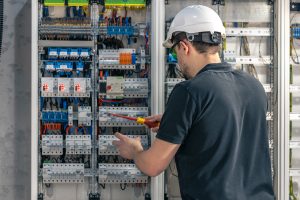
A full inspection might include looking at the mains cable, checking how the load is spread out, going over the layout of the electrical system, and making sure that overload protection is working properly. These checks help find hidden electrical problems that cause the power to go out during peak hours.
If the system is old, a professional might suggest bringing it up to date with modern standards. This could mean changing the consumer mains, making the cables bigger, or upgrading the installation so it can handle more weight. Even though this may seem like a lot of money, it stops problems from happening again and lowers long-term risks.
When an Upgrade Becomes Essential
At some point, repairs aren't enough anymore. If your consumer mains trips a lot, especially during busy times, it might be time for a full upgrade. Modern systems are built to handle more weight, protect against overload better, and lower the risk of electrical safety problems.
An upgrade can also make your home safer by making it more energy-efficient, lowering the chance of problems, and making sure it meets current electrical safety standards. More and more Australians are using high-demand appliances, EV chargers, and advanced home technology, so upgrading the consumer mains is becoming more common.
A professional upgrade makes sure that your electrical system is safe, dependable, and able to meet the needs of your family for a long time to come.
Last Thoughts
Tripping during peak hours is more than just a hassle. It's a sign that your consumer mains aren't able to handle the electrical needs of today. The answer is often to know the limits of your electrical system and take steps to make it better. This is true whether the problem is load imbalance, old wiring, bad cable sizing, or hidden electrical problems.
You can keep your home safe from electrical hazards, lower the risk of problems, and make sure you always have power when you need it by getting the right electrical services, having regular safety checks, and making upgrades when they are needed. Your consumer mains are the most important part of your home's electrical system. You need to take care of them so that they stay safe and reliable for a long time.