admin@pro-electricians.xyz
+61 234 567 8900
The Ultimate Compliance Checklist for Office Electrical Fitouts in Multi‑Tenant Buildings
 It's never easy to design and install electrical systems in offices in buildings with more than one tenant. These places have shared infrastructure, layered responsibilities, and strict rules that cover everything from electrical safety to how landlords, tenants, and contractors communicate. A well-thought-out plan makes sure that every installation meets compliance standards and keeps the space usable for a long time.
This guide covers the key considerations for electrical work in an office. It focuses on rules, coordination, and the special problems that come up in shared commercial spaces. It's important to understand these requirements, whether you're managing a new fit-out, upgrading existing electrical services, or planning long-lasting installations.
Compliance is the most important part of any office electrical fitout, especially in buildings with more than one tenant where the electrical systems are linked. There are rules in Australia, such as Australian Standards, workplace health and safety laws, and local building codes, that say how electrical services must be designed and delivered. These rules cover everything from where to put the switchboard to safety switches, smoke alarm requirements, and how to safely add backup generators.
Centralised systems are common in commercial buildings, so any electrical work must be done in a way that works with the building's current load capacity, emergency systems, and approved pathways. This is especially important when planning electrical installations, electrical fit-outs, or any installation that affects shared risers or important services. A compliant approach makes sure that the new office space works safely without hurting the building's larger electrical network.
Coordinating with Landlords and Building Managers
One thing that people often forget about when setting up electrical systems in an office is the need to talk to landlords and building managers early and often. Because multiple tenants share the same infrastructure in a building, any changes to the electrical services must be approved and recorded. This includes adding systems like security and CCTV cameras, upgrading the installation of the switchboard, or changing the electrical services.
Landlords often have specific requirements for commercial electrical work, such as approved routes for cabling, limits on access after hours, and the need to work with existing building systems. To avoid delays or expensive redesigns, tenants must make sure that their fitout plans follow these rules. It's important to hire electricians who know how to work in commercial settings and can talk to building management in a professional way.
Designing for Shared Infrastructure
Shared risers, common switchboards, and centralised emergency systems are essential to multi-tenant buildings. This means that when designing electrical fitouts for an office, you need to know exactly how the building sends out power, data, and other important services. Any work that affects these systems must be carefully planned to prevent circuits from being overloaded and to avoid interference with other tenants' operations.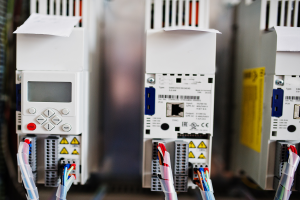
Emergency systems are very important. It is very important to follow the rules for exit and emergency lighting, smoke alarm integration, and backup generators. Your electrical fit-out needs to connect smoothly without breaking any rules because these systems are usually controlled at the building level. The same goes for shared services like security and CCTV camera networks, installing CCTV cameras, and other things that might need to be coordinated with base-building contractors.
Planning for Technology and Modern Office Needs
Workplaces today need more than just power outlets. Modern office electrical fitouts need to be able to handle data networks, CCTV camera systems, camera systems installation, security and CCTV camera systems, and other specialised equipment. This is especially true for companies that have a lot of workstations, server rooms, or advanced audiovisual setups.
It's just as important to plan for future growth. A well-planned fit-out should be able to handle extra loads, new technologies, and changes in the way the workplace is set up. This includes plans to install ceiling fans, provide power to workstations, and use adjustable lighting systems. Hiring a commercial electrical contractor who has worked on commercial electrical fit-outs before ensures that the design meets both current and future needs.
Ensuring Electrical Safety and Compliance
All office electrical fitouts must include safety measures for electrical work. Compliance means more than just meeting the bare minimum; it also means making a system that keeps people, equipment, and the building safe. This means ensuring that safety switches are installed correctly, that the switchboard has sufficient capacity, and that all installations meet Australian Standards.
It is important to test and commission equipment regularly. All electrical services must be checked, written down, and certified before they are handed over. This includes checking that smoke alarms work, testing emergency systems, and making sure that all circuits are properly labelled. Taking a professional approach reduces risk and ensures the office is safe and ready for use.
Working with Professional Electricians
 Selecting the right team is one of the most important steps when working on electrical fitouts in an office. Electricians who work on multi-tenant buildings need to know how to work in commercial settings, share infrastructure, and follow the rules. A professional team can follow building rules, work with other trades, and do high-quality installations that meet all the rules.
Experienced contractors can also help with planning the installation of security and CCTV camera systems, making sure that all electrical services work with the building's current systems, and more. Many businesses strongly recommend hiring professionals for commercial electrical work and professional office fit-outs to ensure the project goes smoothly and is up to code.
Managing Fitout Documentation and Approvals
Compliance requires a lot of paperwork. Plans, load calculations, product specifications, and certification documents must all be included in every office electrical fitout. These documents are necessary for getting landlord approval, following the rules, and keeping the property up in the future.
Long-term building management is also helped by clear documentation. Having accurate records of past electrical fitouts can help avoid problems with current systems when future upgrades or fitouts happen. This is very important in buildings with more than one tenant, where different contractors may work on the same infrastructure over time.
Final Commissioning and Handover
The last step in fitting out an office with electrical wiring is commissioning, testing, and handing over the work. This makes sure that every installation is safe, works, and follows the rules. The process includes checking the exit and emergency lighting, testing the safety switches, making sure the switchboard is installed correctly, and making sure that all of the electrical services work as they should.
A complete handover package makes it easier to keep things running and make improvements in the future. It should have as-built drawings, certificates of compliance, and suggestions for maintenance. This paperwork is important for both tenants and building managers because it makes sure that the office stays safe and up to code for the whole time it is open.